Showing posts with label Way of Ascent. Show all posts
Showing posts with label Way of Ascent. Show all posts
Thursday, September 9, 2010


Tuesday, September 7, 2010
Nahum, The Book of The Prophet 3

THE WALKTHROUGH
The Prophet Nahum in 3 Minutes
MV: God’s Children, Mt5:9,20;18:3
Bib1Yr: Ac25-28Travels and Conversations
Monday, September 6, 2010
Sunday, September 5, 2010
Nahum, The Book of The Prophet
[He. Nachum “Comfortable”]
Background: This prophet announces the destruction of Nineveh , capital of Assyria . In the opening verses Nahum speaks of God as “slow to anger” but also that he will not leave the guilty unpunished. It is for this reason that God must now punish Nineveh Nineveh
Author: Nahum
Date and Location: The Fall of Thebes (No-Amon, 3:8) which occurred in 663BC had already taken place by Nahum time. Assuming that Nineveh
Recipients: For the Jews under the Assyria
Purpose:
*To announce Nineveh’s doom
*Affirm God’s control over history
*To assume Judah that God cares for his own
Unique Features:
*Good source of information about Assyria’s destruction. Others: Is (Assyria and Babylon), Jeremiah (Babylon), Obadiah (Edom), Zeph (Judah), Ez (Egypt), Da (Babylon and Persia)
*Na-Obad., were the only prophets pronouncing doom on pagan nation without mentioning Israel’s sin
*Na records Assyria’s cruelty, more ruthless by far than Israel’s other foes
Comparison:Is-Ro
*Deliverance from Assyria (1:5)
*Isa writes some 100yrs uses similar words (Is40:9; 52:7)
*Paul writing some 700yrs later uses similar words (Ro10:15)
MV:Face Like an Angel, Ac6:15
Bib1Yr: Ac17-20
Saturday, September 4, 2010
Micah, The Book of The Prophet 3


THE WALKTHROUGH
MV: Prophetic Ability, 1Co 14:1-5
Bib1Yr: Ac14-16Paul Starts
Bib1Yr: Ac14-16Paul Starts
Friday, September 3, 2010
Thursday, September 2, 2010
Micah, The Book of The Prophet
[He. Miykah or Miykayah “Who(is)like Yah(God)”]
Background: This prophet lived and worked a little later than Amos and Hosea and about the same time as Isaiah and what he has to say is very similar to them. He worked in the Southern Kingdom and condemned social injustice and inequality, and corruption among the political and religious leaders. God must punish his people but beyond Micah speaks of a future which will center of Jerusalem temple when a descendant of David will emerge to lead God’s people against her enemies (4-7). 6:6-8 seems to sum up the message, not only of Micah, but of all the prophets of this period. 7chs
Author: Micah
Date and Location: He prophesied during the reigns of Jotham, Ahaz and Hezekiah (1:1) c.740-690, same time span as Isaiah’s ministry.
Recipients: Both concerns North and South Kingdom (1:1) but since he was from South Kingdom and only mentioned Southern Kings. It is generally assumed that his ministry was primarily to Judah.
Purpose:
*Pronounce judgment for continual apostasy and insincere religious observance (3:8; 6:6, 7)
*Show true faith, practical manifestations like social justice and honesty in business (6:8)
*Proclaim God’s ultimate plans for his people (2:12,13; 7:11-20)
Unique Features: The number and Precision of his prophecies:
*Northern Kingdom’s fall (1:6, 7)
*Judah’s invasion by Sennacherib in 701BC (1:9, 12)
*Destruction of Jerusalem and Temple (3:12)
*Judah’s Babylonian captivity (4:10)
*Judah’s return from captivity (4:10)
*The exact name of Christ’s birth-place (5:2)
*He was one of the few writing prophets referred to my name (Jer26:18)
Comparison:
Isa
*Shared one (4:1-3 Is2:2-4), they may have borrowed from Joel (Jl3:10)
*Use nakedness (1:8 Is20:2)
*People coming from Assyria and Egypt (2extremes of the Near East) in the Messianic age (7:12 Is19:23-25)
Jer
*Quoted 3:12 writing more than a century (Jr26:18)
*Greedy prophets and priests (3:11Jr6:13) and false prophets (3:5 Jr6:14)
*A remnant Israelites (7:18 Jr23:3; 44:28)
Abbreviations: Mic. / Mi
MV: Testimonizers, 2Co1:12-14
Bib1Yr: Ac8-10Saul and Cornelius
Background: This prophet lived and worked a little later than Amos and Hosea and about the same time as Isaiah and what he has to say is very similar to them. He worked in the Southern Kingdom and condemned social injustice and inequality, and corruption among the political and religious leaders. God must punish his people but beyond Micah speaks of a future which will center of Jerusalem temple when a descendant of David will emerge to lead God’s people against her enemies (4-7). 6:6-8 seems to sum up the message, not only of Micah, but of all the prophets of this period. 7chs
Author: Micah
Date and Location: He prophesied during the reigns of Jotham, Ahaz and Hezekiah (1:1) c.740-690, same time span as Isaiah’s ministry.
Recipients: Both concerns North and South Kingdom (1:1) but since he was from South Kingdom and only mentioned Southern Kings. It is generally assumed that his ministry was primarily to Judah.
Purpose:
*Pronounce judgment for continual apostasy and insincere religious observance (3:8; 6:6, 7)
*Show true faith, practical manifestations like social justice and honesty in business (6:8)
*Proclaim God’s ultimate plans for his people (2:12,13; 7:11-20)
Unique Features: The number and Precision of his prophecies:
*Northern Kingdom’s fall (1:6, 7)
*Judah’s invasion by Sennacherib in 701BC (1:9, 12)
*Destruction of Jerusalem and Temple (3:12)
*Judah’s Babylonian captivity (4:10)
*Judah’s return from captivity (4:10)
*The exact name of Christ’s birth-place (5:2)
*He was one of the few writing prophets referred to my name (Jer26:18)
Comparison:
Isa
*Shared one (4:1-3 Is2:2-4), they may have borrowed from Joel (Jl3:10)
*Use nakedness (1:8 Is20:2)
*People coming from Assyria and Egypt (2extremes of the Near East) in the Messianic age (7:12 Is19:23-25)
Jer
*Quoted 3:12 writing more than a century (Jr26:18)
*Greedy prophets and priests (3:11Jr6:13) and false prophets (3:5 Jr6:14)
*A remnant Israelites (7:18 Jr23:3; 44:28)
Abbreviations: Mic. / Mi
MV: Testimonizers, 2Co1:12-14
Bib1Yr: Ac8-10Saul and Cornelius
Wednesday, September 1, 2010
Jonah, The Book of the Prophet 3


SCIENCE GEEK
THE WALKTHROUGH
The Prophet Jonah in 3 Minutes
MV: Master’s friends, Jn15:15
Bib1Yr: Ac5-7Stephen
Bib1Yr: Ac5-7Stephen
Tuesday, August 31, 2010
Monday, August 30, 2010
Jonah, The Book of the Prophet
[He. Yonah “Dove”]
Background: God told the prophet Jonah to go to Nineveh, capital of Assyria (a cruel enemy of Israel) that God was going to punish her. After attempts to evade God’s orders, Jonah reluctantly preached in the city and the Ninevites turned to God. Jonah was furious with God for showing mercy to such wicked people and God tries to demonstrate to the prophet that he feels compassion even for Israel’s enemies. 4Chs
Author: Jonah
*The Jonah of 2K14:25 was like Jonah of 1:1 “son of Amittai’
*Jesus considered Jonah as a real person (Mt12:39-41; 16:4 Lk11:29-32)
* The book is presented as history, with actual people and place-names given.
_although the book is actually a book about Jonah and someone else may have done the writing. Jonah is rightfully considered its author since he alone would have had knowledge of all the events recorded
Date and Location: T he language of 2K14:25 suggest that Jonah was a contemporary of Jeroboam II and events reported in his book were most likely recorded soon after they occur (7953)
Recipients: All Israelites
Purpose:
*Jonah was nationalistic but God wants him to see that God’s compassion extends to non-Israelites as well (4:1 1)
*God wanted to show him that compassion for sinners was more important than prosperity
*Jonah was selfish on individual level as well. If he could control events, at least his shade (4:5-10). God sought here as well to counter Jonah’s attitude of control and anger.
Unique Features:
*Except for 3:4, the book of Jonah is actually about his ministry than his actual prophecy
*Like Jonah, Habakkuk, consist largely of a dialogue between God and his prophet
Comparison:
Ac
*missionary to call to reach Gentiles and both had Joppa connection: Jonah (1) and Peter (Ac10)
Abbreviations: Jon./ Jnh./ Jona
MV: Servant of God, 1P2:16
Bib1Yr: Jn21 Ac1The Last Day
Background: God told the prophet Jonah to go to Nineveh, capital of Assyria (a cruel enemy of Israel) that God was going to punish her. After attempts to evade God’s orders, Jonah reluctantly preached in the city and the Ninevites turned to God. Jonah was furious with God for showing mercy to such wicked people and God tries to demonstrate to the prophet that he feels compassion even for Israel’s enemies. 4Chs
Author: Jonah
*The Jonah of 2K14:25 was like Jonah of 1:1 “son of Amittai’
*Jesus considered Jonah as a real person (Mt12:39-41; 16:4 Lk11:29-32)
* The book is presented as history, with actual people and place-names given.
_although the book is actually a book about Jonah and someone else may have done the writing. Jonah is rightfully considered its author since he alone would have had knowledge of all the events recorded
Date and Location: T he language of 2K14:25 suggest that Jonah was a contemporary of Jeroboam II and events reported in his book were most likely recorded soon after they occur (7953)
Recipients: All Israelites
Purpose:
*Jonah was nationalistic but God wants him to see that God’s compassion extends to non-Israelites as well (4:1 1)
*God wanted to show him that compassion for sinners was more important than prosperity
*Jonah was selfish on individual level as well. If he could control events, at least his shade (4:5-10). God sought here as well to counter Jonah’s attitude of control and anger.
Unique Features:
*Except for 3:4, the book of Jonah is actually about his ministry than his actual prophecy
*Like Jonah, Habakkuk, consist largely of a dialogue between God and his prophet
Comparison:
Ac
*missionary to call to reach Gentiles and both had Joppa connection: Jonah (1) and Peter (Ac10)
Abbreviations: Jon./ Jnh./ Jona
MV: Servant of God, 1P2:16
Bib1Yr: Jn21 Ac1The Last Day
Sunday, August 29, 2010
Obadiah, The Book of The Prophet 3

THE WALKTHROUGH
The Prophet Obadiah in 2 Minutes
MV: Doers, workers, Jas1:22-25
Bib1yr: Jn19,20
Saturday, August 28, 2010
Obadiah, The Book of The Prophet 2
MV: Hearers, Doers, Readers, Jas1:25 Rv1:3
Bib1yr:Jn17, 18
Friday, August 27, 2010
Obadiah, The Book of The Prophet
[He. Obadyah or Obadyahu “serving Yah’]
Background: This is the shortest OT book and we know nothing about the prophet.
The theme is punishment ofEdom , which lay south-east of the Dead Sea . The Edomites (Esau) and thus related to Israelites, yet they were long-standing enemies.
The reference in this book suggest that when Jerusalem fell to the Babylonian army in 587BC the Edomites did nothing to help and maybe even took some advantage of Judah’s fate. WhileEdom disappeared from history Obadiah foretells the return of Israel
The theme is punishment of
The reference in this book suggest that when Jerusalem fell to the Babylonian army in 587BC the Edomites did nothing to help and maybe even took some advantage of Judah’s fate. While
Author: Obadiah
Date: Uncertain
Purpose:
*Predict Edom
*Predict judgment against any persons or nations consumed with pride
*God will restore Israel
Unique Features:
*Most detailed prophecy about the relationship between descendants of Esau and Jacob
Comparison:
Jer.
*1:1-9 identical with Jer49:7-22
Jl
*Writing a short later than Joel, Obadiah spoke of Edom ’s violence against Judah
*Speak of pagan nations “casting” lots for God’s chosen people and city (1:11 Jl3:3)
*Pagan receiving just deserts for mistreating Israel
*The day of the Lord (1:15 Jl1:15; 2:1; 3:14)
*People on Mt. Zion
Abbreviations: Obad./ Oba./ Ob
MV: Strait Gate, Lk13:24
Bib1Yr:Jn15, 16
Thursday, August 26, 2010
Amos, The Book of The Prophet 3


THE WALKTHROUGH
The Prophet Amos in 5 Minutes
MV: Wide Gate, Mt7:13
Bib1Yr: Jn13, 14The Way The Truth and The Life
Wednesday, August 25, 2010
Tuesday, August 24, 2010
Amos, The Book of The Prophet
[He. Amos ”burdensome”]
Background: This prophet came from the Southern Kingdom but worked in the Northern Kingdom slightly earlier than Hosea.
In ch1,2 he speaks of God’s Judgment on the surrounding nations but also on the complacent Northern Kingdom.
In ch3 he announces that God has broken off the covenant agreement with his people in the Northern Kingdom and the few chs. shows why: oppression, social injustice, religious hypocrisy.
5 visions (7-9) show that there is still time to turn back to God, but in the last 2 visions punishment is inevitable. A hope for something beyond God’s judgment is expressed in the last few verses. 9Chs
Author: Amos
Date and Location: He prophesied during the reigns of Jeroboam II (793-753) and southern King Uzziah (790-740), 2yrs before the earthquake. Josephus dates the earthquake at the time of Uzziah’s apostasy c.750 (2K15:1-7). Amos prophesied at Bethel (1K12:25-33) and may have ministered at North capital of Samaria. Probably compiled and recorded at Bethal, Jerusalem, or Tekoa, perhaps shortly after the earthquake.
Recipients: Though concerning about the whole of Jacob, his message mainly for North kingdom during its idolatry at Bethel (7)
Purpose: Calling for repentance of
*Outward actions (violence, social injustice and idolatry)
*inward attitudes (Pride and heartless worship)
*Amid his denunciations, Am. Proclaim the coming Messianic Age
Unique Features:
*Only prophet called from one part of the divide kingdom to prophecy in the other part
*Am shows that an effective minister of God does not need any prescribed level of education or social; he/she needs only a call from God (7:14, 15)
Comparison: see Joel
Abbreviations: Amo./ Am
MV: Pride, Pr16:18
Bib1Yr:Jn10Parables
Background: This prophet came from the Southern Kingdom but worked in the Northern Kingdom slightly earlier than Hosea.
In ch1,2 he speaks of God’s Judgment on the surrounding nations but also on the complacent Northern Kingdom.
In ch3 he announces that God has broken off the covenant agreement with his people in the Northern Kingdom and the few chs. shows why: oppression, social injustice, religious hypocrisy.
5 visions (7-9) show that there is still time to turn back to God, but in the last 2 visions punishment is inevitable. A hope for something beyond God’s judgment is expressed in the last few verses. 9Chs
Author: Amos
Date and Location: He prophesied during the reigns of Jeroboam II (793-753) and southern King Uzziah (790-740), 2yrs before the earthquake. Josephus dates the earthquake at the time of Uzziah’s apostasy c.750 (2K15:1-7). Amos prophesied at Bethel (1K12:25-33) and may have ministered at North capital of Samaria. Probably compiled and recorded at Bethal, Jerusalem, or Tekoa, perhaps shortly after the earthquake.
Recipients: Though concerning about the whole of Jacob, his message mainly for North kingdom during its idolatry at Bethel (7)
Purpose: Calling for repentance of
*Outward actions (violence, social injustice and idolatry)
*inward attitudes (Pride and heartless worship)
*Amid his denunciations, Am. Proclaim the coming Messianic Age
Unique Features:
*Only prophet called from one part of the divide kingdom to prophecy in the other part
*Am shows that an effective minister of God does not need any prescribed level of education or social; he/she needs only a call from God (7:14, 15)
Comparison: see Joel
Abbreviations: Amo./ Am
MV: Pride, Pr16:18
Bib1Yr:Jn10Parables
Monday, August 23, 2010
Joel, The Book of the Prophet 3
Joel 2:31 The sun shall be turned into darkness, and the moon into blood, before the great and the terrible day of the LORD come.
Solar Eclipse
Lunar Eclipse
The Prophet Joel in 4 Minutes
MV: Sin, Jas1:15
Bib1Yr: Jn9Miracle and Teaching
Solar Eclipse
Lunar Eclipse
THE WALKTHROUGH
The Prophet Joel in 4 Minutes
Bib1Yr: Jn9Miracle and Teaching
Sunday, August 22, 2010
Joel,The Book of The Prophet 2
Joel
The lunar Eclipse is another sign from heaven
MV: Slave to Sin, Jn8:34
Bib1Yr: Jn7,8Lessons
The lunar Eclipse is another sign from heaven
MV: Slave to Sin, Jn8:34
Bib1Yr: Jn7,8Lessons
Saturday, August 21, 2010
Joel, The Book of the Prophet
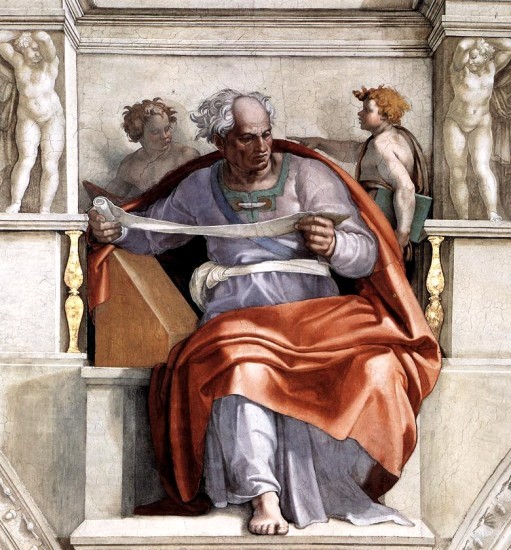
Background: Ch1, he speaks of the devastation caused by a plague of locusts. This may have been a real event or a vision but in either case it is a symbol of the invading army which God will use to punish his people to turn back to God. (2:1-11) Joel calls the people to turn back to God while there is time and speaks of a special outpouring of God’s Spirit (2:12-32). Ch3 concerns a final and universal judgment. 3Chs
Author: Joel
Date: Difficult to say
Location: Judah
*”Temple
*”Zion ”(a hill in Jerusalem
*Several reference to Judah and Jerusalem
Purpose: To plead with God to end the plague of locust

Comparison:
Amos
*Mountains “dripping” with wine (3:18Am9:13)
*The Lord will roar from Zion
*The day of the Lord will be dark, not light (2:2, 10, 31; 3:15; Am5:18, 20)
Isaiah
*When “the day of the Lord” is at hand, the sun and moon will not give its light (2:10; 3:15; Is13:6)
*Pouring of God’s spirit (2:28Is32:15; 44:3)
*Joel “bear plowshare” for Armageddon (3:10), Isa., writing some 100yrs after Joel reverses it (Is2:4see Mi4:3)
Abbreviations: Joe./Joe/ Jl
MV: Condemned, Jn3:18 Mt12:37
Bib1Yr: Jn5,6
Friday, August 20, 2010
Hosea, The Book of The Prophet 3


THE STORY OF HOSEA
THE WALKTHROUGH
The Prophet Hosea in 6 Minutes
MV: Devil’s Children, Jn8:44
Bib1Yr: Jn3,4Nicodemus and Samaritan Woman
Bib1Yr: Jn3,4Nicodemus and Samaritan Woman
Subscribe to:
Posts (Atom)